
2026 Legislative Recap
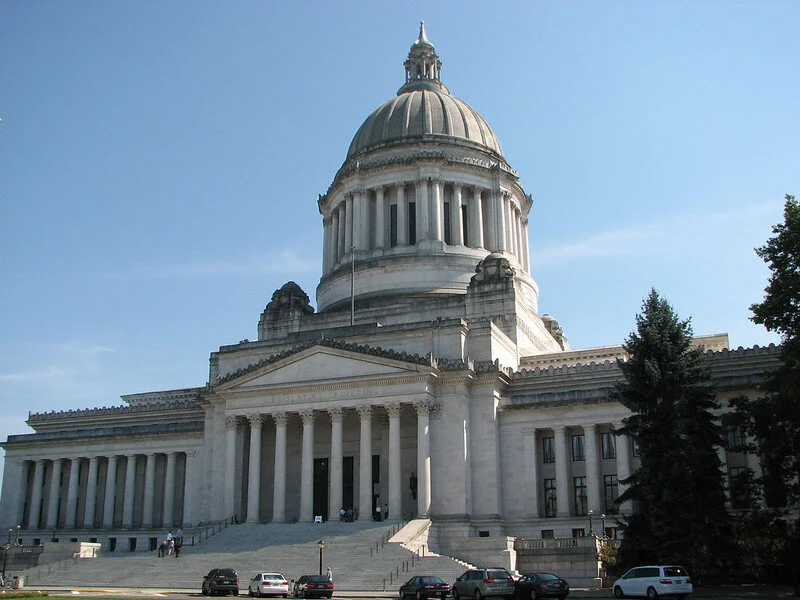
This year’s 60-day session presented unique challenges, beginning with the Governor’s budget proposal, which sought big cuts for WSU. Ultimately, though, Washington State University managed to secure critical funding for a number of projects — in no small part to advocacy from members like you.
The budget development process began in December when Governor Bob Ferguson released his proposed supplemental operating budget. The proposal, which would have balanced the budget by enacting spending reductions across state government, closing tax preferences, and tapping the state’s emergency budget stabilization account. It's combination of new cuts and new self insurance costs would have had the net effect of a cut to WSU's state appropriation of $18.1 million, or more than 5 percent.
“WSU has already cut its budget every year for the last four years, reducing annual spending by $52 million,” said WSU Director of State Relations Chris Mulick during committee testimony on the governor’s proposed operating budget.
Next, the House and Senate both proposed their budgets — and both included a much smaller decrease in funding for WSU.
After weeks of advocacy, as well as hundreds of letters from WSU Impact members, the final budget was agreed upon, representing a significantly lower reduction in funding.
On April 1, the governor signed the state’s supplemental and operating budget bills, making a number of vetoes to the operating budget the Legislature passed — none of which directly affect Washington State University. The final budget did, however, yield a small operating reduction for the university.
The capital budget also saw a handful of vetoes unrelated to WSU. The underlying budget makes a number of needed investments in the university's infrastructure, including funds for minor works projects and to renovate space at WSU Spokane to build out health sciences simulation facilities.
The final capital budget includes the following investments in WSU:
$6 million for minor works projects.
$7 million to design and renovate space for Team Health Education in Spokane. In tandem with an updated reappropriation of $2.9 million from last biennium, this would be sufficient to complete the renovation.
$1.5 million for upgrades to Ensminger Pavilion in Pullman.
$400,000 for upgrading soil health research infrastructure.
$1 million to improve energy systems in the WSU Creamery.
$500,000 for a virtual fencing study for the cattle industry.
2027 is expected to be another challenging budget year and advocacy efforts will restart. Until then, be sure to follow WSU Impact on social media to stay informed.